
What keeps pulling me back to engineering is exploration.
I enjoy the moment when an idea is still open: when there is space to investigate, sketch an architecture,
build a prototype, try a new technology, or test a solution that may later be discarded. That kind of
exploration is not a side activity for me; it is one of the ways good software starts to take shape.
I am especially drawn to product-facing engineering: interfaces, tools, workflows, and systems that people
can actually use. A solution starts to feel right when the UI is clear, the experience feels natural, the
visual details support the task, and the underlying structure makes the product easier to evolve.
Proofs of concept are where I often find the most energy. They make possibilities visible. They turn
abstract discussions into something people can react to, question, improve, or decide not to pursue. I like
that space between research and implementation, where the goal is not only to ship, but to understand what
could be built and why it might matter.
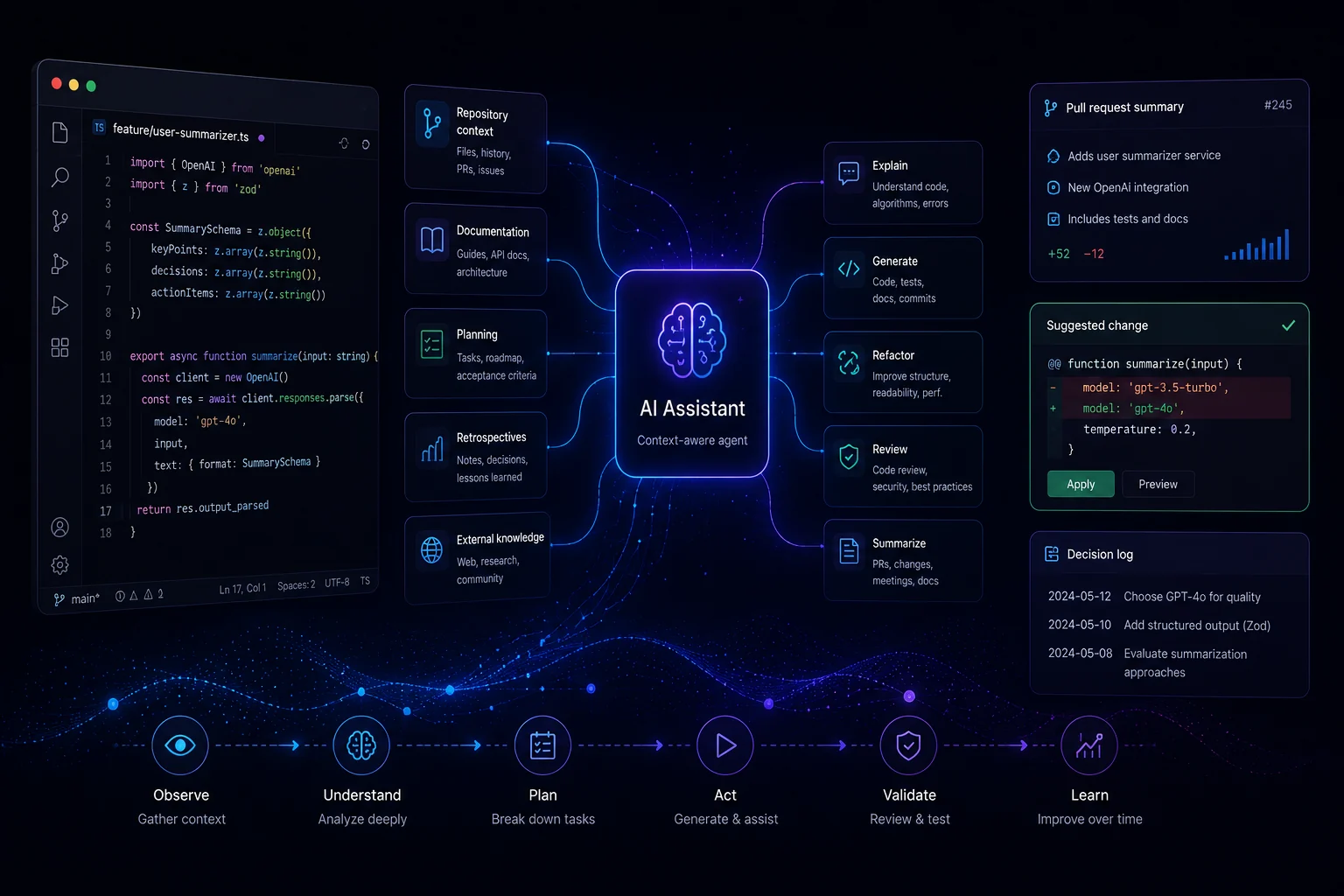
That is also why AI-assisted workflows feel so exciting to me right now. They make it possible to explore
ideas that would previously have stayed on paper — not because they were technically impossible, but because
there was never enough time to try them properly. At the same time, they force us to rethink how we work,
how we keep up, and how much of software engineering is changing around us.
I do not see myself as the most traditional kind of software engineer. I like implementing, but I also like
questioning, connecting ideas, improving experiences, building tools, and helping others move faster. The
work that excites me most sits somewhere between engineering, experimentation, product thinking, and
creative exploration.